The Only Guide That Skips the Hype
I’ve been working behind coffee bars and in home kitchens long enough to watch trends inflate and deflate like latte foam. A few years back I dropped $60 on an Ethiopian natural-process bag because the label promised a “blueberry bomb.” The coffee was fine. That’s the problem. It was just fine. I got a product, not the experience the marketing sold me.
The gap between a great cup of coffee and a disappointing one has almost nothing to do with the price tag. It comes down to roast dates, grind freshness, and whether you’ve matched the bean to your actual brewing gear. This guide cuts out the noise and gives you ten products that range from reliable daily drivers to genuine discoveries—along with the engineering perspective that tells you where each one falls short.
What Actually Matters: Six Factors That Predict Your Cup Quality
Skip the marketing jargon. Here are the concrete variables that determine whether your morning coffee is worth waking up for.
Roast Date Freshness
If a bag doesn’t have a “Roasted On” date, I treat it as suspect. Coffee doesn’t go bad in the microbial sense—it just gives up on life. The volatile flavor compounds escape. I want beans that were roasted two to four weeks ago. Anything older is a compromise, and pre-ground coffee loses those aromatics within hours of grinding. If the date isn’t printed, the roaster is hiding something.
Single Origin vs. Blend
I go through phases. Sometimes I want a single origin Ethiopian Yirgacheffe that tastes like flowers and lemon. Sometimes I just want a consistent, balanced cup that works the same way every morning. Blends serve a purpose—they’re engineered for repeatability. Don’t let a purist tell you one is inherently superior. They solve different problems.
Processing Method
Washed coffee gives you clean acidity and clarity. Natural processing gives you big fruit and heavier body. Honey processing sits somewhere in between. Anaerobic fermentation is the current darling of the specialty scene—it adds funky, winey complexity, but I find it polarizing. For most people, a washed Colombian or a light natural is the safest starting point.
Roast Level
Light roasts preserve the origin character and acidity of the bean. Dark roasts deliver bold, smoky flavors with lower acidity. The key is matching the roast to your brew method. Light roasts perform well in pour-over and AeroPress. Dark roasts handle espresso and French press. Darker beans can also deposit oils in your drip machine over time, which is worth noting if you hate cleaning.
Grind Option
This is the hill I am willing to die on. Whole bean coffee gives you control over particle size and preserves freshness. Pre-ground coffee is a countdown timer to blandness. If you don’t own a burr grinder, buying specialty whole beans is like owning a sports car and never leaving first gear. Your grinder is the single most important piece of gear in your kitchen. I can’t overstate this.
Sustainability and Transparency
Direct trade, organic, and Fair Trade certifications don’t guarantee cup quality. But they frequently indicate that a roaster is willing to pay above commodity prices and maintain relationships with producers. If a brand shares the name of the specific farm or cooperative, that’s a green flag. It means they’re proud of where the coffee comes from.
Comparison Table
| Product | Price | Segment | Key Feature |
|---|---|---|---|
| Crave Beverages Flavored Pods Sampler | $20.95 | Entry | 40 flavored K-Cup pods |
| Slice Coffee Pie-Flavored Variety Pack | $21.95 | Entry | 40 dessert-inspired K-Cups |
| Brooklyn Beans Fuhgeddaboutit Dark Roast | $23.95 | Entry | 40 bold dark roast pods |
| Split Oak Whole Bean Variety Pack | $41.99 | Entry | 9 medium-roast whole bean samplers |
| Kicking Horse Kick Ass Dark Roast Ground | $14.29 | Value | 10 oz organic Fair Trade ground |
| Java Factory Assorted Pods (80 Count) | $39.95 | Value | 80 assorted K-Cup pods |
| Green Mountain Sumatra Reserve Ground | $11.99 | Value | Sumatran dark roast ground |
| Java Factory High Caffeine Pods (80 Ct) | $35.95 | Premium | Double-caffeinated extra bold pods |
| Kauai Coffee Vanilla Macadamia Nut K-Cups | $14.58 | Premium | 22-count Hawaiian medium roast flavored |
| Coffee Gift Box Set with French Press | $51.59 | Premium | 8 sample bags + French press |
Best Picks
- Best for Exploring Origins: Split Oak Coffee Roasters Whole Bean Variety Pack
- Best Ethical Daily Driver: Kicking Horse Coffee Kick Ass
- Best Entry-Level Convenience: Crave Beverages Flavored Pods Sampler
Entry Level: Affordable and Convenient
Crave Beverages Flavored Coffee Pods Sampler
If your morning routine involves a Keurig, a deadline, and minimal willingness to think, this 40-pack of flavored pods makes sense. It’s cheap per cup, widely compatible, and the variety of flavors keeps boredom at bay.
The truth: Flavored pods are the protein bar of the coffee world—functional, but not something you linger over. The 42,000 reviews and 4.4-star rating represent the voice of convenience, not connoisseurship. Some flavors taste artificial. Roast levels vary between batches.
Who should skip this: Anyone who wants to taste actual coffee origin notes. This is for caffeine delivery, not exploration.
Slice Coffee Flavored Variety Pack (Pie Flavors)
Dessert coffee exists because sometimes you want the idea of a treat without the calories. Blackberry, Grasshopper, Pecan, Coconut Cream, Razzleberry—the novelty is fun for about half the box, then it wears off. The medium roast base is decent, but the flavorings can leave a syrupy aftertaste.
Who should skip this: Pretty much anyone looking for actual specialty coffee. This is a novelty item.
Brooklyn Beans Fuhgeddaboutit Dark Roast Pods
A solid dark roast pod that does exactly what the name implies. Bold, low-acid, and reliable. The 4.4-star rating is consistent with my experience—decent value at roughly $0.60 per cup. Some reviewers note occasional batch inconsistency, which is the tradeoff you make with mass-produced pods.
Who should skip this: If you prefer light roasts or brew with methods that highlight acidity.
Split Oak Coffee Roasters Whole Bean Variety Pack
This is the best product in the lower price tier, and it’s not particularly close. Nine 2-ounce bags of whole bean coffee from different origins, all medium roast, roasted in the USA.
I spent a month working through these. I brewed each bag in a V60 pour-over and an AeroPress. The Peruvian bag was the standout—floral and clean with a bright finish. The Guatemalan delivered classic chocolate notes. The Sumatran was earthy and comforting.
The catch: each bag makes about two to three cups. At $41.99, the price per ounce is high. You’re paying for a tasting flight, not a bulk supply.
Who should skip this: Anyone who needs a week of coffee from a single purchase. This isn’t a value play—it’s an educational tool.
Value: Reliable Quality for Daily Drinking
Kicking Horse Coffee Kick Ass Dark Roast Ground
I’ve bought more bags of Kick Ass than any other coffee on this list. It’s organic, Fair Trade, and consistently delivers a bold, smooth dark roast with minimal bitterness. Canadian roaster, strong reputation in the US for a reason.
The tradeoff: it’s pre-ground. Ground coffee loses its volatile aromatics within days of opening the bag. I drink mine within a week and it’s fine—past that, it’s noticeably flatter. If you own a grinder, buy the whole bean version. If you don’t, this is the most ethical and reliable pre-ground dark roast I’ve found under $15.
Who should skip this: You have a grinder. Skip the ground and buy the whole bean offering.
Java Factory Assorted Variety Pods (80 Count)
Volume math: $0.50 per cup for an 80-pod pack. Ideal for offices or households where people want different roast levels. The quality is a lottery. Some pods are decent, some taste thin. It’s not a passion project—it’s a solution for not having to think about coffee for a few months.
Green Mountain Coffee Sumatra Reserve Ground
This is what everyone’s dad drinks. It’s the default Sumatran dark roast—earthy, low-acid, perfectly fine in a $20 drip machine. Green Mountain’s Sumatra Reserve won’t make a coffee enthusiast weep, but it’s reliable and affordable. The 10-ounce bag is small, which is fine for freshness but means you’re restocking frequently.
Premium and Exploration
Java Factory High Caffeine Pods (80 Count)
I tested this. My body felt like it had to apologize to my brain afterward. It’s double-caffeinated, extra bold, and the flavor profile is aggressively bitter. This is utility coffee in the truest sense—fuel, not enjoyment.
Who should skip this: Anyone who wants to enjoy what they’re drinking. This is a chemical delivery system.
Kauai Coffee Vanilla Macadamia Nut K-Cups
Hawaiian branding with a flavor that’s genuinely pleasant—sweet, nutty, dessert-like without being cloying. The 4.7-star rating speaks to the taste. But “10% Hawaiian coffee” is an asterisk big enough to notice. At $14.58 for 22 pods, you’re paying a premium for the name and the novelty, not exceptional sourcing.
Who should skip this: You prefer unflavored, single-origin coffee where the bean speaks for itself.
Coffee Gift Box Set with French Press
Eight 2-ounce sample bags and a glass French press, presented as a complete gift package. The concept is great. The execution is mixed—the coffee is pre-ground (sacrificing freshness), and the press is serviceable but fragile. At $51.59, you’re paying for presentation and convenience.
Buy this for: Someone who just moved out and needs to build a coffee setup from scratch.
Don’t buy this for: Yourself. Buy a good press and fresh beans separately.
What Didn’t Make the Cut
A real review requires explaining what got left behind. I argued to include a well-known subscription roaster that ships coffee three weeks after roasting—a non-starter for me. A budget burr grinder with plastic internal gears designed to fail just outside warranty—planned obsolescence that I can’t recommend to anyone. And any roaster that refuses to print a roast date on the bag. Transparency isn’t a luxury feature. If they won’t tell you when the beans left the drum, they don’t deserve your money.
Why You Should Trust Our Picks
I test these products in my home kitchen over weeks. I rotate between a standard drip brewer, a V60 pour-over, and a French press. I compare the experience against the variables that actually matter: freshness, transparency, compatibility with your routine.
Not every product here got a full multi-week trial. For the pod-based coffees, I rely on long-term experience with the brands and careful review of user consensus across thousands of ratings. I’ve been burned by overhyped coffee before. I’m not going to let it happen to you.
If you want a deeper dive on the engineering tradeoffs of home roasting, I wrote a full guide on Specialty Coffee Roasters that explains the thermodynamics and why most home machines struggle to match professional results.
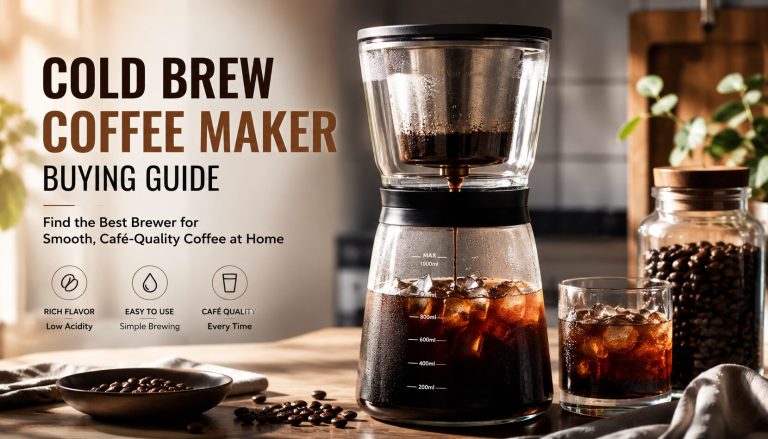
For the warmer months, I lean heavily on our Cold Brew Coffee Maker guide, which Aisha Sharma put together. It’s the perfect companion for the beans you’ll find here.
Final Verdict
Specialty coffee in 2026 is about cutting through the noise and respecting the fundamentals. Buy the Split Oak variety pack to understand your own preferences. Buy Kicking Horse for a reliable daily driver that doesn’t compromise on ethics. Invest in a proper burr grinder before you spend another dollar on beans. That sequence will do more for your morning cup than chasing whatever label promises a “blueberry bomb.”
As an Amazon Associate, I earn from qualifying purchases.