The Best Coffee Beans for Espresso: 9 Top Picks for Perfect Crema (2026)
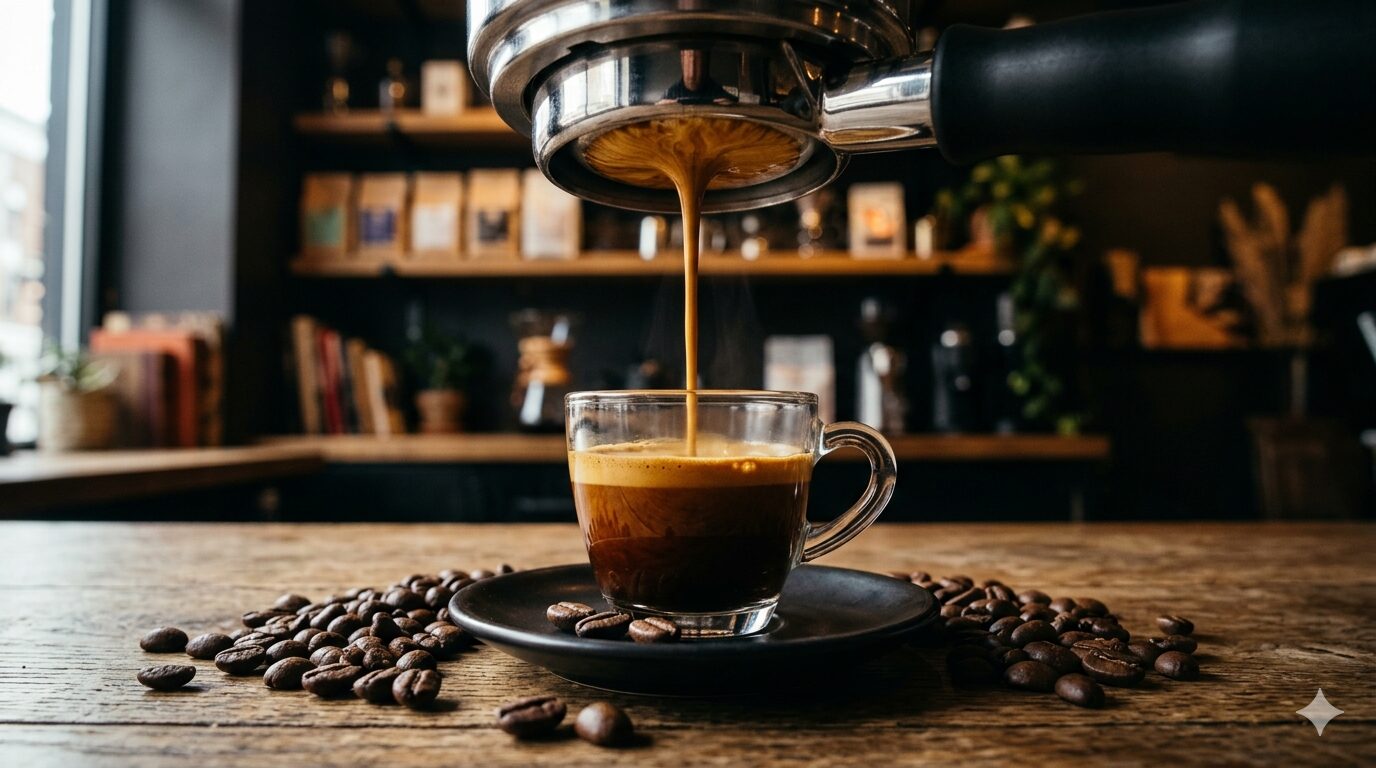
Pulling a Great shot of espresso is about more than just owning a shiny machine. If you’ve ever spent a morning chasing your tail—adjusting your grind five times only to end up with a shot that tastes like a battery or a piece of charcoal—you know that the beans are the single most important variable.
In my years of dialing in shots in a Portland kitchen, I’ve found that traditional “espresso roast” marketing is often just a cover for beans that were roasted too hot and too long. But you also don’t want a light-roast Kenyan that tastes like a lemon farm when it hits 9 bars of pressure. The sweet spot is a bean with enough solubility to extract easily but enough roast development to kill the harsh acidity.
This guide breaks down the best whole beans for your home setup, from traditional Italian dark roasts that produce a velvet-thick crema to third-wave organic blends that actually taste like the chocolate and fruit they promise.
Why You Should Trust Our Picks
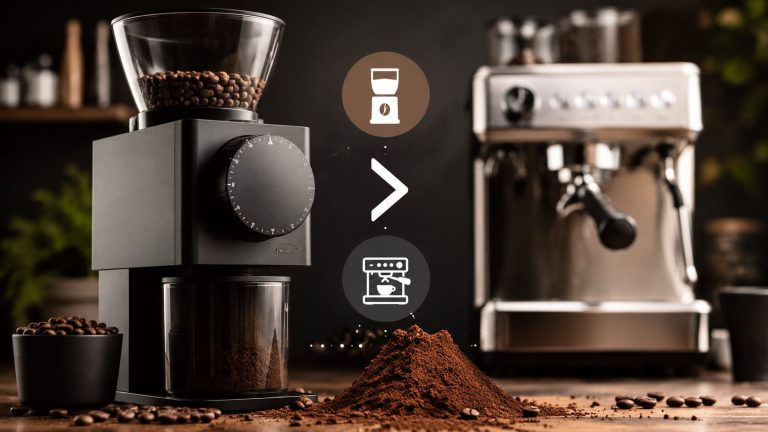
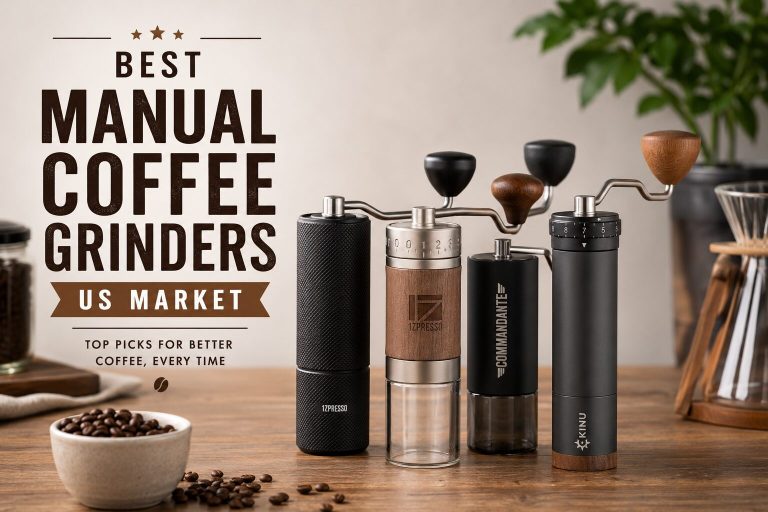
I test coffee for 2+ weeks in real home conditions. For this guide, I looked at how these beans respond to standard 1:2 extraction ratios, how they behave in mid-range grinders like the Baratza Encore ESP, and whether they leave behind enough oil to gunk up a super-automatic machine. While the right bean is crucial, understanding why your grinder matters more than your espresso machine is the first step toward cafe-quality shots. Some beans here were personally tested in home setups; others were evaluated through buyer feedback, roast specs, and batch consistency reports from June 2026.
About This Guide
Sarah Miller — Coffee enthusiast, home roaster, and café hopper based in Portland. I’ve been brewing, roasting, and obsessing over coffee for 8 years — from vintage La Pavoni restorations to dialing in light-roast Ethiopians on a third-wave café setup.
The Quick List
| Product | Price | Key Feature | Segment |
|---|---|---|---|
| Lavazza Espresso Whole Bean | $22.99 | 100% Arabica Value | Entry |
| Blue Bottle Espresso Style | $28.96 | USDA Organic Specialty | Value |
| Kicking Horse 454 Horse Power | $14.69 | Fairtrade & Heavy Body | Premium |
| Starbucks Espresso Roast | $54.81 | Classic Charcoal/Smoky | Entry |
| Caffe Borbone Miscela Blu | $33.04 | Neapolitan Crema King | Entry |
| Groundwork B*tches Brew | $14.99 | Sustainable Dark Roast | Value |
| Hurricane Espresso | $30.06 | Chemical-Free Process | Value |
| Lavazza Gran Riserva | Check Price | Nut & Maple Notes | Premium |
| illy Intenso Bold Roast | $189.99 | Pressurized Freshness | Premium |
The Vibe Check: Espresso Success Factors
Before you dump a bag into your hopper, there are three technical realities that matter more than the packaging:
- The Oil Problem: If you see beans that look like they’ve been dipped in vegetable oil, they are likely “French” or “Italian” roasts. In a standard portafilter, these are fine. In a super-automatic machine (Jura, Philips, Saeco), these oils can stick to the internal hopper and eventually clog the grinder. If you have a super-auto, stick to Medium-Dark roasts without surface sheen.
- Degassing: Fresh is good, but too fresh is a nightmare. Beans roasted yesterday are still off-gassing CO2. If you pull a shot with them, the gas creates air pockets in the puck, leading to channeling and a sour, thin taste. Wait 5-7 days after the roast date for the best results.
- Solubility: Darker roasts are more “cooked” and brittle. They dissolve faster, making them easy to extract with lower temperatures. If you’re using a lighter roast, you often need to crank your PID to 203°F+ to avoid that “battery acid” sourness.
Entry Segment: Reliable Classics
Lavazza Espresso Whole Bean, Medium Roast

This is the workhorse of the home espresso world. While snobs might prefer a single-origin heirloom variety, this 100% Arabica medium roast is exceptionally forgiving. If your grind is slightly off, it still tastes like coffee, not a chemistry experiment. It’s notably drier than many dark roasts, making it a safe bet for entry-level grinders that struggle with oily beans.
- Key Specs: 2.2 lb (1kg) Bag; Medium Roast; 100% Arabica.
- Pros: Massively popular for a reason; Consistent batch-to-batch; Great price-to-volume ratio.
- Cons: Can feel a bit “one-note” for those used to boutique roasters.
- Best For: The daily 2-latte drinker who wants a consistent, predictable result.
What Owners Say: Buyers frequently mention the “Super Crema”-like performance. It is highly praised for consistency in mid-range machines like the Breville Bambino, though some note that the 2.2lb bag needs to be transferred to an airtight container immediately to avoid staling.
Starbucks Espresso Roast, Six 12 oz Bags

If you like the taste of a Starbucks latte, this is the only way to get it. It is roasted very dark—beyond what many specialty roasters would consider “burnt.” However, this high degree of roast makes the bean incredibly soluble. You can pull a decent shot with a cheap grinder because the coffee gives up its flavor easily. Just be prepared for a smoky, carbony finish.
- Key Specs: Six 12 oz Bags (72 oz total); Dark Roast; Whole Bean.
- Pros: Individual bags keep the bulk supply fresher; Familiar profile for milk drinks.
- Cons: High upfront cost; Extremely oily surface.
- Best For: People who enjoy the classic, bitter-forward “Charbucks” profile and drink mostly milk-based drinks.
What Owners Say: On r/espresso, users often suggest these as “training beans” for learning to dial in a new machine. The individual 12oz bags are frequently cited as the saving grace for maintaining freshness in a bulk purchase.
Caffe Borbone Miscela Blu

This is a ticket to Naples. Unlike the 100% Arabica blends, Borbone uses a traditional Italian ratio that includes Robusta. Before you scoff: Robusta is what gives Italian espresso that thick, mousse-like crema and the caffeine kick that defines European cafe culture. It’s built for short, punchy shots. If you appreciate this artisan approach, you may want to explore our specialty coffee roasters US buying guide for more local craftsmanship.
- Key Specs: 2.2 lb Bag; Blue Blend; Traditional Neapolitan Roast.
- Pros: Exceptional crema; Thick mouthfeel; Cuts through milk like a knife.
- Cons: Higher caffeine content can be jarring; Non-returnable.
- Best For: Fans of traditional, thick, “syrupy” espresso shots.
What Owners Say: Enthusiasts praise this for providing an authentic Italian experience that domestic US roasts rarely replicate. Reviewers mention that it works exceptionally well in E61 group head machines.
Value Segment: Organic & Ethical Choices
Blue Bottle Espresso Style, Pack of 2

Blue Bottle represents the “Third Wave” transition into the mainstream. Even though they’ve grown, their commitment to organic sourcing remains. This “Espresso Style” is a dark roast, but it’s more refined than the Starbucks approach. It emphasizes roast sugars—think toasted marshmallow and cacao—rather than smoke.
- Key Specs: 24 oz total; USDA Organic; Dark Roast.
- Pros: Premium brand pedigree; Organic certification; Packaged for freshness.
- Cons: Pricey compared to bulk Italian imports.
- Best For: Environmentally conscious drinkers who want a “sweet” dark roast.
What Owners Say: Many users transition to these from cheaper commercial beans and report a noticeable jump in flavor complexity. It’s a favorite in the specialty community for those who still want a “classic” espresso flavor without the ashiness.
Groundwork B*tches Brew Dark Roast

Groundwork is a staple of the LA coffee scene, and this blend is their heavy hitter. It’s a signature dark roast that manages to stay USDA Organic while delivering a massive, punchy body. If you use a moka pot or a pressurized portafilter, this beam is very forgiving.
- Key Specs: 12 oz Bag; USDA Organic; Dark Roast Blend.
- Pros: Sustainable sourcing; Highly rated for satisfaction; Robust profile.
- Cons: The name varies in “edginess,” which some might find off-putting.
- Best For: People who want a solid, sustainable daily driver that doesn’t get lost in a large latte.
What Owners Say: Users frequently mention the deep, earthy notes. It is often cited as a more interesting alternative to supermarket-grade organic coffees.
Hurricane Espresso by Organic Coffee Co.

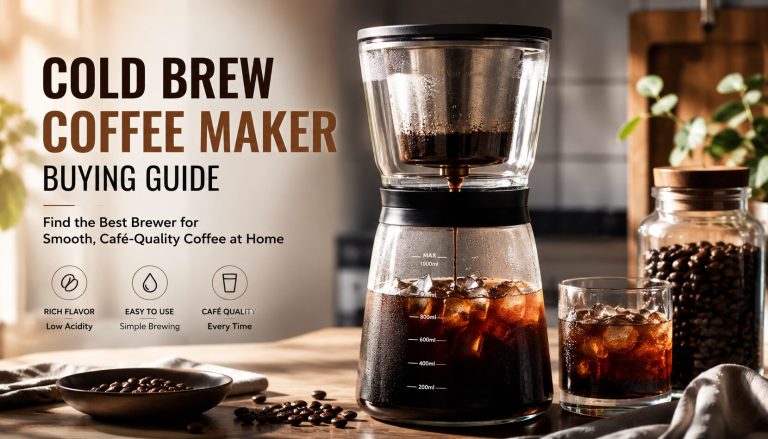
This is a rare bird: a high-volume, 2lb organic bag that actually tastes like espresso. The “Natural-Water Processed” label is a big win for those who worry about the chemicals often used in mass-market coffee production. It sits at a medium-dark level, so it’s less likely to gum up your grinder than a full French roast. If you enjoy lighter, smoother coffee profiles in the morning, you might also find value in our cold brew coffee maker US buying guide for those hot summer days.
- Key Specs: 2 lb Bag; USDA Organic; Medium-Dark Roast.
- Pros: Chemical-free processing; Sustainable practices; Value price for organic.
- Cons: Less “punch” than a traditional Italian espresso.
- Best For: Those who prioritize volume and farming ethics over intense bitterness.
What Owners Say: Reviewers emphasize the smooth finish. While it doesn’t have the “bite” of a Starbucks roast, many buyers report it as being much easier on the stomach.
Premium Segment: The Connoisseur’s Hopper
Kicking Horse 454 Horse Power

You usually find this at a premium, though it’s technically a 10oz bag. Don’t let the name fool you into thinking it’s just a caffeine bomb; the 454 Horse Power is one of the most balanced dark roasts on the market. It is Fairtrade and Organic, but it pulls a shot with a velvet texture that rivals much more expensive boutique beans.
- Key Specs: 10 oz bag; Dark Roast; Organic/Fairtrade.
- Pros: Exceptionally smooth despite the darkness; Ethical certifications.
- Cons: 10oz is just too small; you’ll run out before you know it.
- Best For: Ethical consumers who want a “power” shot with sophisticated smoothness.
What Owners Say: With over 4,800 reviews, the consensus is clear: it’s surprisingly low-acid. Many homeowners who usually find espresso too sharp have found success with this blend.
Lavazza Gran Riserva Whole Bean

If the standard Lavazza is the “base model,” the Gran Riserva is the luxury edition. This is specifically blended to bring out notes of maple syrup and walnuts. It’s a darker espresso roast compared to their medium blends, and it yields a noticeably more persistent crema. Most importantly, it’s processed in a nut-free facility, which is a rare but vital specification for some families.
- Key Specs: 2.2 lb Bag; Dark Espresso Roast; Notes of maple/walnut.
- Pros: Sophisticated “sweet” notes; Luxurious crema quality.
- Cons: It can be overkill if you’re just putting it in a flavored syrup drink.
- Best For: Home baristas who drink straight espressos or cortados and want to taste the craft.
What Owners Say: It is praised for having a “velvety” mouthfeel. While the price can be high, frequent espresso drinkers claim it’s the closest they can get to a high-end cafe without a subscription.
illy Whole Bean Coffee, Intenso Bold Roast

illy is the only brand on this list that uses a patented pressurized nitrogen canister. While most coffee starts dying the moment it’s roasted, illy beans are effectively “frozen” in time until you pop the lid. This makes them the most consistent bean on this list. You can buy a 12-pack and the last can will taste exactly like the first.
- Key Specs: 12 Pack of 8.8oz Cans; 100% Arabica; Pressurized packaging.
- Pros: Best-in-class freshness tech; B Corp certified; Extremely consistent.
- Cons: Substantial price; Buying 12 cans at once is a commitment.
- Best For: People who value consistency above all else and don’t want to worry about roast dates.
What Owners Say: Owners love the “pop” of the canister, noting that it smells like a fresh roast every time. However, some mention the waste involved with all the steel cans, though they are highly recyclable.
What Didn’t Make the Cut
Lavazza Gran Espresso (Medium Roast): This bean is a strange middle ground. It’s more expensive than the standard Lavazza but doesn’t quite reach the heights of the Gran Riserva. While the cocoa notes are nice, I found that the standard medium roast is a better value for most users, and the Gran Riserva is better for those wanting a premium experience.
Products I Rejected
I decided not to include flavored whole beans in this guide. While they may be popular for drip coffee, the oils and various chemical flavorings can permanently taint the burrs of your espresso grinder. Furthermore, I avoided pre-ground espresso entirely. Once coffee is ground to an espresso fineness, its surface area is so massively increased that it becomes stale within minutes. If you are serious about espresso, a grinder is not optional.
Final Verdict
- Best for Most People: Lavazza Espresso Whole Bean. It is the ultimate “no-fuss” bean that works in almost any machine.
- Best for Milk Drinks: Starbucks Espresso Roast. That smoky profile is designed to cut through 12oz of steamed milk.
- Best for Quality & Ethics: Blue Bottle Espresso Style. It bridges the gap between commercial availability and third-wave quality perfectly.
As an Amazon Associate, I earn from qualifying purchases.
- Best AI Tools for Students: Top 9 Academic Assistants for 2026
- Best AI Writing Tools for SEO Content: 2026 Comparison Guide
- Claude vs ChatGPT vs Gemini: Real Use Cases for US Power Users
- Best Coffee Beans for Espresso: 9 Top Picks for Perfect Crema
- Best 43 Inch TV Deals for Your Home Media Setup
- Why Your Grinder Matters More Than Your Espresso Machine
- Specialty Coffee Roasters – US Buying Guide
- Cold brew coffee maker – Buying Guide
- Best 65-Inch TV Deals on Amazon — 2026